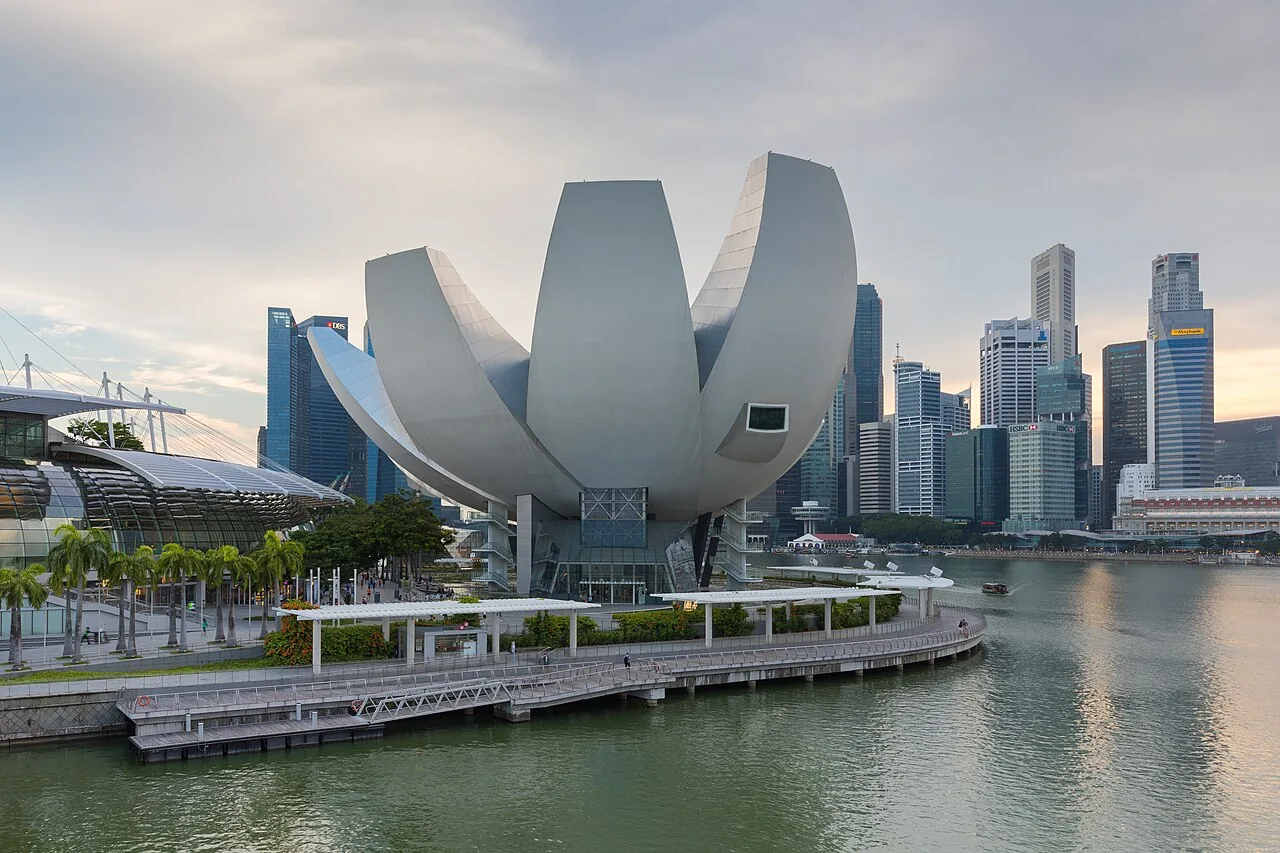
Green modern architecture in Singapore
Singapore · Hospital Guide

Hospitals in Singapore: The Complete List for Expats (2026)

19 min read

Use our AI quote engine to get a policy in under 15 seconds. Compare eight or more international plans side by side, with the annual limit, deductible and covered benefits on each one, so you are comparing cover rather than headline price. Direct billing and evacuation cover are shown up front on every plan, which is the detail that decides whether you pay at the hospital cashier or your insurer does.

Get a quote in 60 seconds →

Singapore has some of the best hospitals on the planet. That is exactly what makes choosing one hard.

Every private hospital here has a polished website, a wall of specialist profiles and a brochure that says "world-class." None of that tells you the thing you actually need to know as an expat: which hospital your insurer will pay directly, which one has a specialist in your condition, and what a five-day stay is genuinely going to cost when the bill lands.

We place expat health cover in Singapore for a living, which means we spend our days looking at the unglamorous side of this, admission deposits, panel lists, letters of guarantee, and the phone call at 2am when someone needs an emergency department that will take an international policy without a S$10,000 hold on a credit card. This is the full list, and our shortlist, and the reasons behind both.

ExpatMedicare has arranged international cover for expatriates since 2001.

The Best Hospitals in Singapore for Expats

The five hospitals expats most often end up in, and what each is for.
HospitalLocationTypeBedsStandoutBest for
Mount Elizabeth NovenaNovenaPrivate (Parkway Pantai)333Newest flagship in Singapore's densest medical cluster; all single-bed roomsOverall best for expats
Gleneagles HospitalTanglin / Napier RdPrivate (Parkway Pantai)257Sits inside the expat residential belt, minutes from Orchard and Bukit TimahBest for location and convenience
Raffles HospitalBugisPrivate (Raffles Medical Group)38050-year-old homegrown group running 100+ clinics plus the hospitalBest for integrated, one-stop care
Mount Alvernia HospitalMarymountNot-for-profit319St Anne Mother and Child Centre; surpluses reinvested, not distributedBest for families and maternity
Singapore General HospitalOutramPublic (SingHealth)1,931Newsweek World's Best Hospitals 2026 listee; national tertiary referral centreBest for complex and rare conditions
Bed counts and ownership per the List of hospitals in Singapore and each hospital's own disclosures. Singapore General Hospital and National University Hospital are the two Singapore entries in Newsweek's World's Best Hospitals 2026 Top 250.

Twenty-nine hospitals. Four that will bill your insurer direct.

An expat shortlist is not a local resident's shortlist. These are the districts our clients are actually admitted in.

Marina Bay skyline at sunsetMarina Bay
Novena and Orchard hold the densest concentration of private hospitals in the country.
Singapore heritage shophouses and modern skylineSingapore
Tanglin and Bukit Timah, the residential belt Gleneagles serves.
Singapore urban destination viewSingapore
Outram, where Singapore General and the national specialty centres sit.

What Makes a Good Hospital for an Expat?

An expat's shortlist is not the same as a local resident's. You are not on MediShield Life, you are probably not using MediSave, and you are almost certainly holding an international or local private policy that behaves very differently at the cashier. Five things move the needle:

1. Does it bill your insurer directly? This is the single biggest practical difference between a good and a bad admission. With direct billing (sometimes called a letter of guarantee), the hospital invoices your insurer and you walk out. Without it, you pay the full bill up front and claim it back weeks later. On a S$40,000 surgical admission, that difference is not academic. Whether your plan supports it depends entirely on the policy, which is why our international medical insurance for expats is built around direct-billing networks for exactly this reason.

2. Is there a 24-hour emergency department? Not every private hospital in Singapore runs one, Crawfurd does not, and the ones that do vary in what they can handle. Public hospitals run the full trauma infrastructure.

3. Specialist depth in the thing that is actually wrong with you. A hospital that is superb for cardiology may be ordinary for paediatric neurology. Depth beats brand.

4. Ward type and what it costs per day. Singapore's Ministry of Health publishes fee benchmarks for private healthcare, a rare piece of pricing transparency. Attending-physician fees alone run S$210 to S$420 per day in a general ward during office hours, S$260 to S$530 in a high-dependency unit, and S$320 to S$630 in a lower-intensity ICU. Those are doctor fees only. Room, nursing, drugs, tests and procedures sit on top.

5. Language, and how the place handles a foreign patient. Singapore is English-speaking, which removes the biggest friction expats face elsewhere in Asia. But international patient desks, the teams who handle insurance paperwork, visas for medical travel and family liaison, vary a lot in quality.

The three things that decide a good admission

Not the marble. Whether your insurer is billed directly, whether there is a real emergency department, and whether the specialist you need actually practises there.

The exterior of a modern private hospitalDirect billing
Who pays the cashierWith a letter of guarantee the hospital invoices your insurer and you walk out. Without one you fund the bill and claim it back.
A hospital emergency department entranceEmergency
A genuine 24-hour departmentNot every private hospital runs one, and the ones that do vary in what they can handle.
A hospital operating theatre prepared for surgerySpecialist depth
Depth beats brandA hospital that is superb for cardiology may be ordinary for paediatric neurology.
A doctor in a white coat talking with a patient in a clinic

You are not choosing a building, you are choosing a specialist

Singapore's private hospitals run on accredited independent consultants. The name on the door matters far less than the name on your referral.

In-Depth Review of the Top 5 Hospitals in Singapore for Expats

We have weighted this list towards the hospitals expats actually end up in, which skews private. We have included one public hospital, because pretending expats never need tertiary care would be dishonest, for a genuinely complex diagnosis, the public system is where Singapore's deepest expertise sits.

1. Mount Elizabeth Novena Hospital, Best Overall for Expats

Mount Elizabeth Novena opened in 2012 and is the newest of the big private hospitals in Singapore. It sits in Novena, which has quietly become the densest concentration of medical facilities in the country, Tan Tock Seng Hospital is next door, and the specialist clinic towers around it mean a second opinion is a lift ride away rather than a cross-island taxi.

The reason it tops our list is not the marble. It is that Mount Elizabeth Novena is the hospital most consistently recognised on international insurers' panels, and the one where our clients most reliably get a letter of guarantee issued without a fight. When an admission is unplanned, that administrative reliability is worth more than any single clinical statistic.

The honest tradeoff: it is expensive, and it does not pretend otherwise. Novena is priced at the top of the Singapore private market, and if your policy carries a co-insurance percentage rather than a flat excess, you will feel that. If your plan has a modest annual limit, Gleneagles or Raffles will stretch it considerably further.

Ideal for: expats on comprehensive international plans (Bupa Global, Cigna Global, Allianz Care, AXA, MSH International, April International or Now Health) who want the shortest path from diagnosis to treatment and are not optimising for price.

2. Gleneagles Hospital, Best for Location and Convenience

Gleneagles has been on Napier Road since 1957, which makes it the oldest private hospital on this list and, for a large slice of Singapore's expat population, the closest one. It sits at the edge of the Tanglin and Nassim residential belt, minutes from Orchard, Bukit Timah and Holland Village, the postcodes where most posted employees and their families actually live.

The honest tradeoff: it is the oldest facility of the private options here, and parts of the campus feel it. If you want the newest building and the newest kit, Novena is the more modern proposition. Gleneagles trades some of that for proximity.

Ideal for: families living in the central and western expat belt who value being ten minutes from their hospital, and anyone managing an ongoing condition that means frequent outpatient visits.

3. Raffles Hospital, Best for Integrated, One-Stop Care

Raffles Hospital is the flagship of Raffles Medical Group, Singapore's largest homegrown private healthcare provider. The group describes itself as a 50-year-old brand running more than 100 clinics alongside the hospital, and that network is the whole point of choosing it.

The integration is the differentiator. If you dislike repeating your history to four different receptionists, Raffles is structurally built to prevent that.

The honest tradeoff: the group model means you are gently steered inside the Raffles network, and if the specialist you want practises elsewhere, that pull works against you. It also carries a slightly more clinical, less hotel-like feel than the Parkway hospitals, which some people actively prefer, and others do not.

Ideal for: expats who want one provider handling everything from annual screening to surgery, and families who want their GP and hospital under one roof.

4. Mount Alvernia Hospital, Best for Families and Maternity

Mount Alvernia is the outlier here, and deliberately so. Founded in 1961 and run as a not-for-profit Catholic mission hospital, it reinvests its surpluses rather than distributing them. In a market this commercial, that changes the atmosphere in a way regular visitors notice immediately.

The honest tradeoff: it is not a tertiary centre. For rare cancers, complex cardiac surgery or major trauma, you will be referred on, most likely to SGH or NUH. Mount Alvernia is superb at what it does and does not pretend to cover everything.

Ideal for: expat families, expectant mothers, and anyone who wants a calmer, less transactional experience than a large listed private hospital.

5. Singapore General Hospital, Best for Complex and Rare Conditions

Singapore General Hospital opened in 1821, making it older than most countries' health systems. With 1,931 beds and around 10,725 staff, it is the largest hospital in Singapore and the national tertiary referral centre. It is one of two Singapore hospitals, alongside National University Hospital, listed in Newsweek's World's Best Hospitals 2026 Top 250.

The honest tradeoff: as a foreigner you pay unsubsidised rates, and the experience is a busy public hospital, longer waits, less hand-holding and no concierge. Direct billing arrangements with international insurers are also less routine than at the private hospitals, so check before you need it, not after.

Ideal for: anyone facing a genuinely complex or rare diagnosis, where depth of subspecialty expertise should outrank comfort every time.

A glass-walled hospital corridor with a patient bed and waiting chairs

Twenty-nine hospitals, and you will use about five of them

Nineteen acute, nine community and one psychiatric, registered with the Ministry of Health. The list below is complete; the shortlist above is the practical one.

The Full List of Hospitals in Singapore

Every acute hospital registered with the Ministry of Health, with the direct-billing column that matters most to expats.

Acute hospitals in Singapore.
HospitalDistrictTypeCluster / GroupBedsEmergency deptBills insurer direct
Singapore General HospitalOutramPublicSingHealth1,931Yes, 24hCase by case
National University HospitalKent RidgePublicNUHS1,700Yes, 24hCase by case
Tan Tock Seng HospitalNovenaPublicNHG1,700Yes, 24hCase by case
Woodlands HealthWoodlandsPublicNHG1,800Yes, 24hCase by case
Changi General HospitalSimeiPublicSingHealth1,132Yes, 24hCase by case
Sengkang General HospitalSengkangPublicSingHealth920Yes, 24hCase by case
KK Women's and Children's HospitalRochorPublicSingHealth864Yes, 24h (women & children)Case by case
Khoo Teck Puat HospitalYishunPublicNHG795Yes, 24hCase by case
Ng Teng Fong General HospitalJurong EastPublicNUHS700Yes, 24hCase by case
Alexandra HospitalQueenstownPublicNUHS326Urgent careCase by case
Raffles HospitalBugisPrivateRaffles Medical Group380Yes, 24hConfirm with broker
Mount Elizabeth HospitalOrchardPrivateParkway Pantai345Yes, 24hYes
Mount Elizabeth Novena HospitalNovenaPrivateParkway Pantai333Yes, 24hYes
Mount Alvernia HospitalMarymountNot-for-profitIndependent319Yes, 24hConfirm with broker
Gleneagles HospitalTanglinPrivateParkway Pantai257Yes, 24hYes
Thomson Medical CentreNovenaPrivateThomson Medical Group187Yes, 24hYes
Parkway East HospitalJoo ChiatPrivateParkway Pantai143Yes, 24hConfirm with broker
Farrer Park HospitalFarrer ParkPrivateIndependent121Yes, 24hConfirm with broker
Crawfurd HospitalBukit TimahPrivateIndependent31NoConfirm with broker
On the "bills insurer direct" column: the four hospitals marked Yes are on ExpatMedicare's direct-settlement network. Confirm with broker means we have not verified a standing arrangement, not that one does not exist. Direct billing is always arranged per policy and per admission, so treat this as a starting point and get a letter of guarantee in writing before a planned admission. We would rather leave a cell honest than fill it in and have you find out otherwise at the cashier.

Community hospitals

Community hospitals handle rehabilitation and sub-acute care after transfer from an acute hospital. Expats are rarely admitted directly.

Community hospitals in Singapore.
HospitalDistrictOwnershipBeds
Sengkang Community HospitalSengkangPublic (SingHealth)400
Jurong Community HospitalJurong EastPublic (NUHS)400
Outram Community HospitalBukit MerahPublic (SingHealth)382
Ang Mo Kio-Thye Hua Kwan HospitalAng Mo KioNot-for-profit360
St Andrew's Community HospitalSimeiNot-for-profit277
Yishun Community HospitalYishunPublic (NHG)224
Woodlands Health (community wing)WoodlandsPublic (NHG)—
Ren Ci Community HospitalNovenaNot-for-profit—
St Luke's HospitalBukit BatokNot-for-profit—

Psychiatric and specialty hospitals

The Institute of Mental Health in Hougang, opened 1841 and run by the National Healthcare Group, is Singapore's only dedicated psychiatric hospital, with 2,010 beds. Private mental health provision is thin by comparison, Mount Alvernia's Alvernia Psychological Health Centre is one of the few options, which matters more than it sounds for relocated families.

Six national specialty centres sit alongside the general hospitals and are frequently where you will be referred: the National Heart Centre Singapore, National Cancer Centre Singapore, National Neuroscience Institute, Singapore National Eye Centre, National Skin Centre, and Concord Cancer Hospital (private specialty oncology).

Upcoming hospitals. Eastern General Hospital and Eastern Community Hospital in Bedok, forming the EGH Campus, to be operated by SingHealth with around 1,400 beds. And Tengah General and Community Hospital in Tengah, to be operated by the National University Health System.

What the private premium actually buys

Not better medicine in every case. Shorter waits, a room to yourself, and a bill your insurer can be made to pay directly.

Patient beds in a modern hospital room
A room, not a wardSingle-bed accommodation is the single largest line on a private inpatient bill.
An MRI scanner and patient table in a contemporary clinic
Imaging on the same dayScans booked in days rather than weeks, which is most of what people mean by speed.
A pharmacist reaching for a medication box on the dispensary shelf
Dispensing on siteConvenient, and marked up. Outpatient drug costs are where policies with low caps run dry.

Which Are the 8 Private Hospitals in Singapore?

This comes up constantly, so here is the direct answer. Per the MOH register of acute hospitals, Singapore's private acute hospitals are:

An empty waiting area and reception desk in a private clinic
Eight private hospitals, three operator groups. The waiting room is the first difference you will notice, and the bill is the second.
Private acute hospitals in Singapore.
HospitalDistrictBedsGroup
Raffles HospitalBugis380Raffles Medical Group
Mount Elizabeth HospitalOrchard345Parkway Pantai
Mount Elizabeth Novena HospitalNovena333Parkway Pantai
Gleneagles HospitalTanglin257Parkway Pantai
Thomson Medical CentreNovena187Thomson Medical Group
Parkway East HospitalJoo Chiat143Parkway Pantai
Farrer Park HospitalFarrer Park121Independent
Crawfurd HospitalBukit Timah31Independent
Hospital sites: Farrer Park Hospital · Thomson Medical.

Mount Alvernia sits outside this list because it is classified as not-for-profit rather than private, a distinction that trips up almost every article on this subject.

How Many Hospitals Are There in Singapore?

Singapore has 29 hospitals registered with the Ministry of Health, 19 acute, 9 community and 1 psychiatric, plus six national specialty centres. Of the acute hospitals, ten are public, eight are private and one, Mount Alvernia, is not-for-profit. They run across three public clusters: SingHealth, the National Healthcare Group and the National University Health System. The public system is by far the larger of the two by bed count: Singapore General Hospital alone has more beds than the five largest private hospitals combined.

A stethoscope and clinical notes on a desk

The surgeon bills separately from the hospital

It is the single most common billing surprise in Singapore's private system. Always ask for the specialist's fee estimate on its own.

What a Hospital Stay Actually Costs

MOH's published benchmarks are the only auditable pricing available. These are the attending physician's fees, room, nursing, drugs, tests and the surgeon's fee sit on top.

Attending physician fees by ward type, Singapore dollars per day.
Ward typeDoctor fee, office hours (per day)After hours, before midnightAfter midnight
General wardS$210 to S$420S$210 to S$320S$320 to S$420
High dependency unitS$260 to S$530S$260 to S$370S$370 to S$530
Intensive care (lower intensity)S$320 to S$630S$320 to S$480S$480 to S$630
MOH also publishes hospital fee benchmarks for 29 common surgical procedures, and surgeon fee benchmarks covering roughly 2,180 procedures. Cataract day surgery is the worked example: the hospital fee benchmark runs S$2,600 to S$4,700, with the surgeon's fee a further S$2,900 to S$4,400 on top.

Two things expats consistently get wrong. The surgeon bills separately from the hospital in Singapore's private system, always ask for the specialist's fee estimate on its own. And the public system is not the cheap fallback new arrivals assume: without permanent residency you pay unsubsidised rates.

expatmedicare.com/quote

Eight or more plans for Singapore, compared side by side

Know what your policy actually pays before the bill lands. Every plan card carries the numbers that decide whether it survives a serious admission, not just a headline premium.

  • The insurer behind each plan, named on the card
  • Annual limit, the number that decides a serious claim
  • Deductible, adjustable from nil upwards
  • Direct billing, so the hospital invoices your insurer
  • Evacuation and repatriation, included or not
  • Monthly and annual premium, side by side
Get a quote in 60 seconds →
Two doctors reviewing a case together on a tablet

What we actually weighed

Accreditation, subspecialty depth, insurer recognition and how predictable the bill is. Published criteria, so you can disagree with them.

Our Criteria in Selecting the Best Hospitals in Singapore for Expats

Each hospital here is on this list for a reason. These are the factors we took most seriously:

A medical team standing together in discussion
Subspecialty depth is weighted first. A hospital is only as good as the consultants it has accredited.

What we deliberately left out: star ratings and per-hospital review counts (not verifiable at a standard we would stake advice on), per-procedure prices per hospital (Singapore hospitals do not publish comparable rate cards, so we use MOH's benchmarks instead), and success rates (not published per hospital here; any article quoting them is inferring).

Where the numbers come from: bed counts, districts and ownership are from the MOH acute hospital register, cross-checked against the Wikipedia list of hospitals in Singapore. Cost figures are MOH's published fee benchmarks, not estimates. Direct-billing status reflects ExpatMedicare's own settlement network; where we have not verified an arrangement, the cell says so.

Our ranking philosophy is fit over prestige. The most expensive hospital is not automatically the best one for you. The best hospital is the one with the right specialist, that your policy pays at, close enough to reach when it matters.

How Do You Choose the Right Hospital in Singapore?

If you are on a comprehensive international plan, Bupa Global, Cigna Global, Allianz Care, AXA, MSH International, April International or Now Health, you have the run of the private sector. Choose on specialist and location. Mount Elizabeth Novena or Gleneagles.

If your employer provides a local group plan, check your ward entitlement before you choose. Many local group policies cap at a shared ward in a private hospital, or restrict you to a panel. Raffles is frequently the best-value option in this bracket.

If you are expecting a baby, check the maternity waiting period on your policy first, as it is typically 9 to 12 months, and it is the single most common gap we see. Mount Alvernia's St Anne Centre and Thomson Medical are the two strongest maternity options.

If you have a complex or rare diagnosis, go where the subspecialists are. That is SGH or NUH, and you should not let hospital comfort override clinical depth.

If you are self-employed or between roles, the gap between policies is where expats get badly hurt in Singapore. An unplanned admission with no cover is a five-figure event.

If you are on an Employment Pass without dependants, you still need cover, an EP does not give you access to subsidised rates, and you pay the unsubsidised foreigner rate at public hospitals. Our Singapore country guide sets out what that means in practice.

Singapore city lifestyle and architecture
Singapore

Sort the letter of guarantee before you need it

The 2am admission is the one where a confirmed direct-billing arrangement stops being paperwork and starts being the difference at the cashier.

Two people going through admission paperwork at a desk

The paperwork happens at the worst possible moment

Admissions is where a letter of guarantee either exists or does not. Sort it before you need it, not at the counter at 2am.

Tips on Getting Admitted Without a Billing Surprise

A patient handing admission paperwork to a receptionist
Admissions will ask for a letter of guarantee or a deposit. Which one you hand over is decided before you arrive.

Sort the cover before you need it. Our quote engine prices international plans for Singapore and shows direct billing and evacuation cover up front, so you know who settles with the hospital cashier.

Get a quote in 60 seconds →

Frequently Asked Questions

Related resources: Hospitals in Hong Kong · Hospitals in Shanghai · Expat health insurance in Singapore · International medical insurance for expats · Maternity and family cover · Emergency and inpatient cover · Get a quote in 60 seconds.

Sources

  1. 01Ministry of Health, register of acute hospitals
  2. 02Ministry of Health, hospital bills and fee benchmarks
  3. 03Newsweek, World's Best Hospitals 2026
  4. 04List of hospitals in Singapore
  5. 05SingHealth, our institutions

This information is for general guidance and does not constitute medical or financial advice. Hospital details are accurate as at the date of publication; confirm direct billing arrangements with your insurer before any admission.