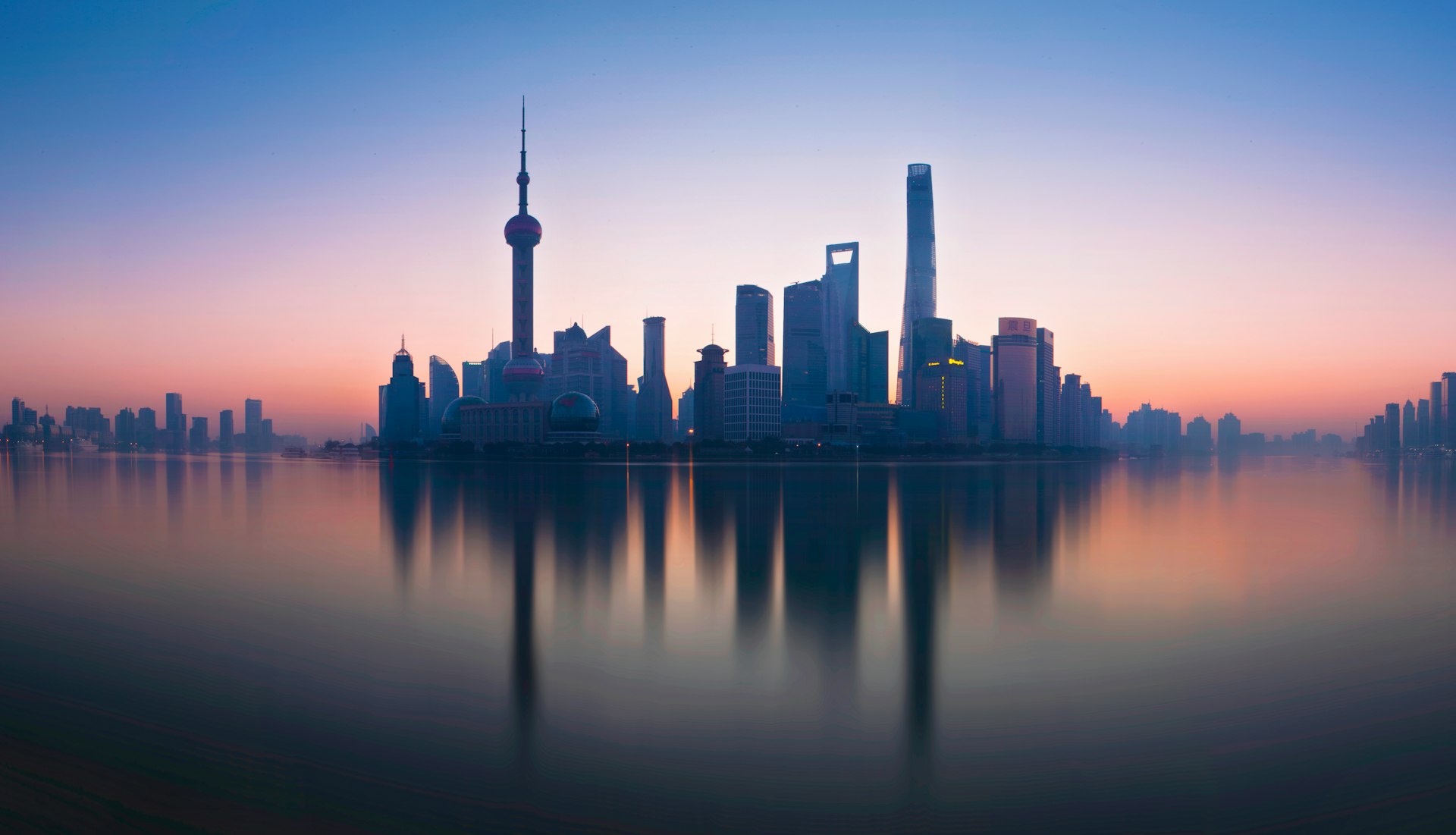
Shanghai has world-class medicine. Finding the part of it that will treat you in English, and bill your insurer, is the hard bit.
The city runs two parallel systems as far as an expat is concerned. There are the international hospitals and clinics, United Family, Jiahui, ParkwayHealth, which feel like Western private healthcare and are priced accordingly. And there are the major public hospitals, which hold the country's deepest clinical expertise and now operate dedicated international divisions. Most guides cover the first and ignore the second. That is a mistake, because for anything genuinely complex the public tertiary hospitals are where Shanghai's expertise actually sits.
We place expat health cover across China for a living, and the direct-billing gap is the thing our clients underestimate most. This is the full list, split the way you will actually use it, with what we can verify about direct billing.
ExpatMedicare has arranged international cover for expatriates since 2001.
The Best Hospitals in Shanghai for Expats
| Hospital | District | Type | Standout | Best for |
|---|---|---|---|---|
| Shanghai United Family Hospital | Changning | International private | Full Western-standard hospital, English throughout, 24h ER | Overall best for expats |
| Jiahui International Hospital | Xuhui | International private | Purpose-built 2017 campus, partnership with Massachusetts General | Best for families and continuity |
| ParkwayHealth | Multiple (Puxi & Pudong) | International clinic network | Longest-running expat provider in Shanghai, many locations | Best for outpatient and convenience |
| Huashan Hospital, Fudan University | Jing'an | Public tertiary | Neurology ranked #1 nationally; patients from 90+ countries in 2025 | Best for neurology and complex care |
| Zhongshan Hospital, Fudan University | Xuhui | Public tertiary | 2,005 beds; cardiac and liver transplant; separate IT system for international patients | Best for cardiac and transplant |
Two parallel systems, one city
The international hospitals feel like Western private healthcare. The public tertiary hospitals hold the deepest expertise. You will use both.
 Shanghai
 Shanghai
What Makes a Good Hospital for an Expat in Shanghai?
Shanghai is not Singapore or Hong Kong. The decision points are different, and getting them wrong is expensive.
1. Does it bill your insurer directly? The international hospitals generally can. Public hospitals, including their international divisions, very often cannot: you pay in full and claim it back. On a major admission that is a serious cash-flow event in a country where you may not hold a large local balance. Our international medical insurance for expats is built around direct-billing networks precisely because this gap is wider in China than almost anywhere else.
2. Is it a licensed international unit, or just a hospital with an English sign? If you take one thing from this page, take this one. It is the distinction that matters most and almost nobody explains it. In 2024 the Shanghai Municipal Health Commission designated 13 public hospitals as international medical tourism pilot units, a formal licence to serve international patients, with dedicated departments built for it. That is a verifiable status, not a marketing claim. The full list is below.
3. Payment method and deposit. Expect to pay, or to leave a deposit, before treatment begins. International hospitals take your major cards; public hospitals often expect Alipay, WeChat Pay or cash. Set both up before you need them, not during an admission.
4. Language, genuinely. The international hospitals will treat you in English end to end. Public hospital international divisions provide interpreters, but the wider hospital does not, so ask which one you are being booked into. Outside those divisions, assume Mandarin only.
5. Cost, which cuts the other way here. Shanghai is the one market on our list where care can be dramatically cheaper than home. An MRI at a public hospital international department typically runs under RMB 650, around US$90. A CT scan runs RMB 200 to 800, roughly US$28 to US$110, against roughly US$7,000 uninsured in the United States. A coronary bypass comes in around US$40,000 in Shanghai versus about US$130,000 billed in the US. The international private hospitals cost several times the public rate, but still sit well below Western private pricing.
The three things that decide a good admission
Not the marble. Whether your insurer is billed directly, whether there is a real emergency department, and whether the specialist you need actually practises there.
 Direct billing
 Emergency
 Specialist depth
The question is always which wing, not which hospital
Shanghai's best medicine often sits inside a public hospital, behind an international department with its own entrance, its own prices and its own English-speaking staff.
In-Depth Review of the Top 5 Hospitals in Shanghai for Expats
1. Shanghai United Family Hospital, Best Overall for Expats
Shanghai United Family (UFH) in Changning is the default answer for most expats, and deservedly so. It is where we place most of our Shanghai clients for routine and emergency care. It is a full hospital rather than a clinic, run to Western standards, operating in English from reception to discharge.
- English end to end: not an interpreter bolted onto a Chinese workflow.
- 24-hour emergency department with international-standard triage.
- The widest direct-billing acceptance in the city among international insurers.
- A network of associated clinics across Shanghai for outpatient follow-up.
- Familiar processes: appointment systems, records and consent that behave the way a Western patient expects.
The honest tradeoff: it is expensive by Chinese standards, several times a public hospital international department. And for genuinely rare or complex disease it will refer you into the public tertiary system, because that is where the subspecialists are.
Ideal for: expats on comprehensive international plans who want Western-standard care without a language barrier, and families who want one predictable provider.
2. Jiahui International Hospital, Best for Families and Continuity
Jiahui in Xuhui is the newest of Shanghai's major international hospitals, purpose-built and opened in 2017, with an academic partnership with Massachusetts General Hospital.
- A modern purpose-built campus: rather than a converted facility.
- International academic affiliation that shapes clinical protocols.
- Strong paediatrics and obstetrics: the two services expat families use most.
- Integrated clinic network across the city for follow-up care.
- English-speaking throughout: with international patient services.
The honest tradeoff: a smaller specialist bench than the huge public tertiary hospitals. Excellent for the 95% of care a family actually needs; not the destination for a rare cancer.
Ideal for: expat families with children, and anyone who wants one provider holding the whole family's record.
3. ParkwayHealth, Best for Outpatient and Convenience
ParkwayHealth has been treating Shanghai's expat community longer than almost anyone, running medical and dental centres across both Puxi and Pudong, Shanghai Centre, Jin Mao Tower, Jinqiao, Hongqiao and Gleneagles Medical and Surgical Centre.
- The most locations: so there is usually one near your home or office.
- Part of the Parkway Pantai / IHH group: the same group behind Gleneagles and Mount Elizabeth in Singapore, which matters for insurer recognition.
- Medical and dental under one roof at most centres.
- Long-standing insurer relationships built over decades in the market.
- Strong for routine and outpatient care: the appointments you actually make most often.
The honest tradeoff: primarily a clinic network rather than a full inpatient hospital. For surgery or admission you will be routed to a partner facility.
Ideal for: working expats who want routine care, screening and dental close to the office, and anyone prioritising convenience over campus scale.
4. Huashan Hospital, Fudan University, Best for Neurology and Complex Care
Huashan Hospital is arguably China's most internationally recognised neurology centre, and one of the 13 designated international pilot units.
- Neurology and neurosurgery ranked #1 nationally: and dermatology #1 as well.
- Treated patients from more than 90 countries in 2025.
- Helped draft China's first local standard for international medical services: it is shaping the rules, not just following them.
- A licensed international medical tourism pilot unit with a dedicated international department.
- Tertiary depth no private hospital in Shanghai can match.
The honest tradeoff: it is a very large, very busy Chinese public hospital. Outside the international division, expect Mandarin, queues and a system that assumes local familiarity. Direct billing with international insurers is far less routine than at UFH or Jiahui, verify before you go.
Ideal for: anyone with a neurological, neurosurgical or dermatological condition where subspecialty depth should outrank comfort.
5. Zhongshan Hospital, Fudan University, Best for Cardiac and Transplant
Founded in 1937, Zhongshan Hospital has 2,005 registered beds and treats roughly 4.8 million outpatients and 180,000 inpatients a year.
- Cardiac and liver transplant outcomes that match or exceed international benchmarks.
- 2,005 beds and enormous case volume, which in surgery correlates with outcomes.
- A separate IT system for international patients: a small detail that removes a large amount of friction.
- One of the 13 international medical tourism pilot units.
- Active international partnerships: including at the Dubai World Health Expo 2026.
The honest tradeoff: the same caveats as Huashan, scale, language outside the international division, and direct billing that is not a given.
Ideal for: cardiac, hepatobiliary and transplant cases where volume and outcomes matter more than the waiting room.

Graded by tier, not by reputation
China ranks hospitals from Tier 1 to Tier 3A. Tier 3A is the top of the system, and it is where almost every name below sits.
The Full List of Hospitals in Shanghai
The expat-facing set. English-speaking, Western-standard processes, and the group most likely to bill your insurer directly.
| Provider | District | Type | Inpatient | Bills insurer direct |
|---|---|---|---|---|
| Shanghai United Family Hospital | Changning | International hospital | Yes | Yes |
| Jiahui International Hospital | Xuhui | International hospital | Yes | Yes |
| ParkwayHealth, Shanghai Centre | Jing'an | International clinic | No | Yes |
| ParkwayHealth, Jin Mao Tower | Pudong | International clinic | No | Yes |
| ParkwayHealth, Jinqiao | Pudong | International clinic | No | Yes |
| ParkwayHealth, Gleneagles Medical & Surgical Centre | Xuhui | Day surgery | Day cases | Yes |
| SinoUnited Health | Multiple (Bund, Pudong) | International clinic | No | Yes |
| Shanghai East International Medical Center | Pudong | International hospital | Yes | Confirm with broker |
| Shanghai American-Sino Women's & Children's Hospital | Changning | Specialty, women & children | Yes | Confirm with broker |
| Raffles Medical Shanghai | Jing'an | International clinic | No | Confirm with broker |
| Shanghai Landseed International Hospital | Pudong | International hospital | Yes | Confirm with broker |
| Shanghai Boai Hospital | Xuhui | Private hospital | Yes | Confirm with broker |
| DeltaHealth Hospital | Qingpu | Specialty, cardiovascular | Yes | Confirm with broker |
| Shanghai International Medical Center | Pudong | Private hospital | Yes | Confirm with broker |
The 13 public hospitals licensed for international patients
In 2024 the Shanghai Municipal Health Commission designated these as international medical tourism pilot units, a formal licence to treat international patients, with dedicated international departments. This is the list most expat guides do not have.
| Hospital | Affiliation | Known for |
|---|---|---|
| Huashan Hospital | Fudan University | Neurology and dermatology, both #1 nationally |
| Zhongshan Hospital | Fudan University | Cardiac, liver transplant, hepatobiliary |
| Huadong Hospital | Fudan University | Geriatrics, general medicine |
| Children's Hospital of Fudan University | Fudan University | Paediatrics, complex child cases |
| Ruijin Hospital | Shanghai Jiao Tong University | Metabolic disease; ICU for international patients |
| Renji Hospital | Shanghai Jiao Tong University | 2,750 beds across 4 campuses; international outpatient dept at the north branch |
| Xinhua Hospital | Shanghai Jiao Tong University | Paediatrics, general tertiary care |
| Shanghai Sixth People's Hospital | Shanghai Jiao Tong University | Orthopaedics, limb reconstruction |
| Shanghai Children's Medical Center | Shanghai Jiao Tong University | Paediatric cardiology and oncology |
| Shanghai General Hospital (also known as Shanghai First People's Hospital) | Shanghai Jiao Tong University | Large general tertiary hospital |
| Longhua Hospital | Shanghai University of TCM | Traditional Chinese Medicine, integrative care |
| International Peace Maternity & Child Health Hospital | China Welfare Institute | Obstetrics and maternity |
| Shanghai First Maternity and Infant Hospital | Tongji University | Obstetrics, high-risk pregnancy |
Other major public tertiary hospitals. Not on the pilot list, but where you may be referred for specialist care: Fudan University Shanghai Cancer Center in Xuhui, for oncology. Shanghai Ninth People's Hospital (Jiao Tong), for reconstructive, craniofacial and dental surgery, a global destination in its field. Shuguang Hospital (Shanghai University of TCM), for "Haipai" Shanghai-style Traditional Chinese Medicine. And the Eye and ENT Hospital of Fudan University, for ophthalmology and ENT.
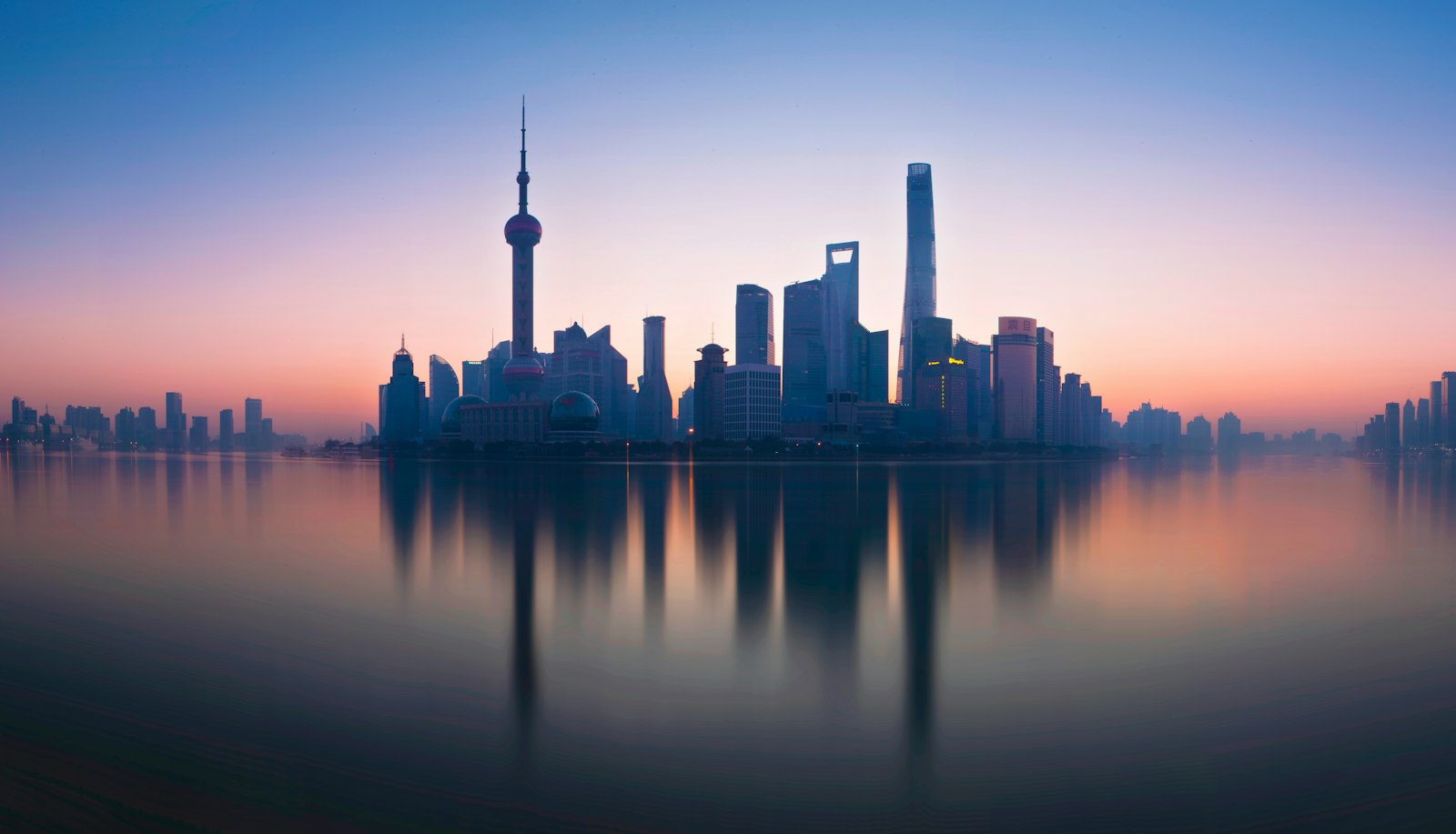
Most of them are within reach of Lujiazui
The international departments and private clinics expats actually use cluster in Pudong, Jing'an and Hongqiao, near where expat employers sit.
Which Hospitals in Shanghai Treat International Patients?
This comes up constantly, so here is the direct answer. Thirteen public hospitals hold a formal licence from the Shanghai Municipal Health Commission as international medical tourism pilot units:

| Hospital | Affiliation |
|---|---|
| Huashan Hospital | Fudan University |
| Zhongshan Hospital | Fudan University |
| Huadong Hospital | Fudan University |
| Children's Hospital of Fudan University | Fudan University |
| Ruijin Hospital | Shanghai Jiao Tong University |
| Renji Hospital | Shanghai Jiao Tong University |
| Xinhua Hospital | Shanghai Jiao Tong University |
| Shanghai Sixth People's Hospital | Shanghai Jiao Tong University |
| Shanghai Children's Medical Center | Shanghai Jiao Tong University |
| Shanghai General Hospital | Shanghai Jiao Tong University |
| Longhua Hospital | Shanghai University of TCM |
| International Peace Maternity & Child Health Hospital | China Welfare Institute |
| Shanghai First Maternity and Infant Hospital | Tongji University |
Alongside them sit roughly 14 international hospitals and clinic groups, United Family, Jiahui, ParkwayHealth, SinoUnited and the rest, which serve foreign residents directly and are listed in full above.
The licence is the part worth checking. A hospital with an English sign is not the same as a hospital licensed to treat you, and this is the distinction that trips up most articles on the subject.
How Many Hospitals Are There in Shanghai?
Shanghai has several hundred registered hospitals across the municipality, the large majority of which are Chinese-language public facilities serving local residents. The number that matters to an expat is far smaller: roughly 14 international hospitals and clinic groups, plus the 13 public hospitals licensed as international medical tourism pilot units. Those 27 or so facilities are, practically speaking, the hospitals in Shanghai an English-speaking foreign resident will actually use.
An MRI for about US$90
Shanghai is the rare market where good cover buys access and convenience rather than protection from ruin. The administrative side is what needs arranging.
What Treatment in Shanghai Actually Costs
Shanghai does not publish per-hospital rate cards the way Singapore's MOH does, so treat these as indicative published figures rather than a rate card. You will not find a price list for your hospital here, and we would rather tell you that than hand you estimates dressed up as a schedule.
| Item | Public hospital / international dept | International private hospital |
|---|---|---|
| MRI scan | Under RMB 650 (approx. US$90) | Several times the public rate |
| CT scan | RMB 200 to 800 (approx. US$28 to US$110) | Several times the public rate |
| Coronary bypass surgery | Around US$40,000 | Higher |
| Outpatient consultation | Low, typically two figures in USD | Western private pricing |
For context, the same CT scan is billed at roughly US$7,000 uninsured in the United States, and the same bypass at about US$130,000. Shanghai is the rare market where good insurance buys access and convenience rather than protection from ruin, though an extended ICU stay at an international hospital will still reach five figures quickly.
Eight or more plans for China, priced in USD
Cover that works at the hospitals you would actually use. Every plan card carries the numbers that decide whether it holds up in an international wing, not just a headline premium.
- The insurer behind each plan, named on the card
- Annual limit, the number that decides a serious claim
- Deductible, adjustable from nil upwards
- Direct billing at the international hospitals and wings
- Evacuation and repatriation, to Hong Kong or further
- Monthly and annual premium, side by side
What Is the Biggest Hospital in Shanghai?
By approved beds, Renji Hospital is among the largest, with 2,750 beds across four campuses and 54 clinical departments. Zhongshan Hospital has 2,005 registered beds and treats roughly 4.8 million outpatients a year. Chinese hospitals report capacity by campus and expand frequently, so bed counts move, but Renji and Zhongshan are consistently at the top, and both are licensed international pilot units.
How Many Public Hospitals Are There in Shanghai?

Shanghai operates several hundred public hospitals through its municipal health system and the medical schools of Fudan University, Shanghai Jiao Tong University and Tongji University. Of these, 13 are formally licensed to serve international patients as medical tourism pilot units. For an expat, that 13 is the number worth remembering.
Good, and stratified
Tier 3A hospitals here are genuinely excellent. What varies is whether you can reach them in English, and what you are charged when you do.
Does Shanghai Have Good Healthcare?
Yes, genuinely world-class in parts, and better value than almost anywhere. Shanghai's tertiary hospitals produce cardiac, transplant and neurosurgical outcomes that match international benchmarks, at a fraction of US pricing. Huashan treated patients from more than 90 countries in 2025.
The caveats are practical rather than clinical. Outside the international divisions the system runs in Mandarin and assumes you already know how it works. You will usually be asked to pay up front. And direct billing with international insurers is far less common than in Singapore or Hong Kong, so the administrative side needs arranging in advance.
What we weighed, and in what order
Published so you can disagree with it. Clinical depth first, then whether an international insurer will actually settle the bill.
Our Criteria in Selecting the Best Hospitals in Shanghai for Expats
- Insurer acceptance and direct billing: weighted most heavily, because it is the widest practical gap in the China market.
- Licensed international status: we treated the Shanghai Municipal Health Commission's pilot-unit designation as a verifiable signal, rather than relying on a hospital's own marketing.
- Specialist depth, not brand: which is why three public hospitals appear here alongside the international private ones.
- English-language capability end to end: not just at reception.
- Suitability for families: paediatrics and obstetrics provision.
What we deliberately left out: star ratings, per-hospital review counts, and per-procedure prices per hospital. Chinese hospitals do not publish comparable rate cards and any article quoting them per facility is inferring.
Where the numbers come from: we took the pilot-unit list from the Shanghai Municipal Government's own published announcement rather than from any hospital's marketing. Bed counts are each hospital's own disclosures. Cost figures are published indicative ranges, labelled as such. Direct-billing status reflects ExpatMedicare's settlement network; where unverified, the cell says so.
Our ranking philosophy is fit over prestige. We do not rank on marble. The best hospital is the one with the right specialist, that your policy pays at, that will treat you in a language you speak.
Check your policy before you pick the hospital
Direct billing is agreed hospital by hospital, not city by city. The right choice is the one your insurer already settles with.
How Do You Choose the Right Hospital in Shanghai?
This is the order we work through it with a new client.
If you are on a comprehensive international plan, start at United Family or Jiahui. Choose on specialist and location, and use the public tertiary hospitals for anything complex.
If your employer provides a local Chinese plan, it will likely cover public hospitals and not the international ones. Check before you assume, the gap between a local plan and an international one is larger in China than in most markets.
If you are expecting a baby, Jiahui, United Family and American-Sino are the international options; the International Peace Maternity & Child Health Hospital and Shanghai First Maternity are the licensed public ones. Check your maternity and family cover waiting period first, typically 9 to 12 months.
If you have a complex or rare diagnosis, go to the public tertiary system. Huashan for neurology, Zhongshan for cardiac and transplant, Fudan Shanghai Cancer Center for oncology, Shanghai Ninth for reconstructive surgery.
If you are on a short-term assignment or between policies, the cash cost of care in Shanghai is low enough that a gap is survivable in a way it is not in Singapore, but an ICU admission at an international hospital is still a five-figure event.

Deposits are the norm, not the exception
International departments routinely ask for a deposit on admission. A letter of guarantee from your insurer is what removes it.
Tips on Getting Admitted Without a Billing Surprise
- Confirm direct billing in writing before you are admitted. We do this for our own clients as a matter of course, and you should insist on it wherever your cover is arranged. Ask your insurer for a letter of guarantee naming the specific facility. In China this matters more than anywhere else on our patch, because the default is payment up front.
- Set up Alipay or WeChat Pay before you need them. Public hospitals frequently expect one of these or cash, and international cards are not always accepted outside the international hospitals.
- Ask whether you are being seen in the international division or the general hospital. They are different services, at different prices, with different language support, inside the same building.
- Expect a deposit. Most hospitals will ask you for one before treatment begins, refundable once your guarantee is issued.
- Keep your insurer's emergency number in your phone. Also worth checking what your emergency and inpatient cover pays for, and whether it includes evacuation, for some conditions the right answer is treatment in Hong Kong or Singapore.
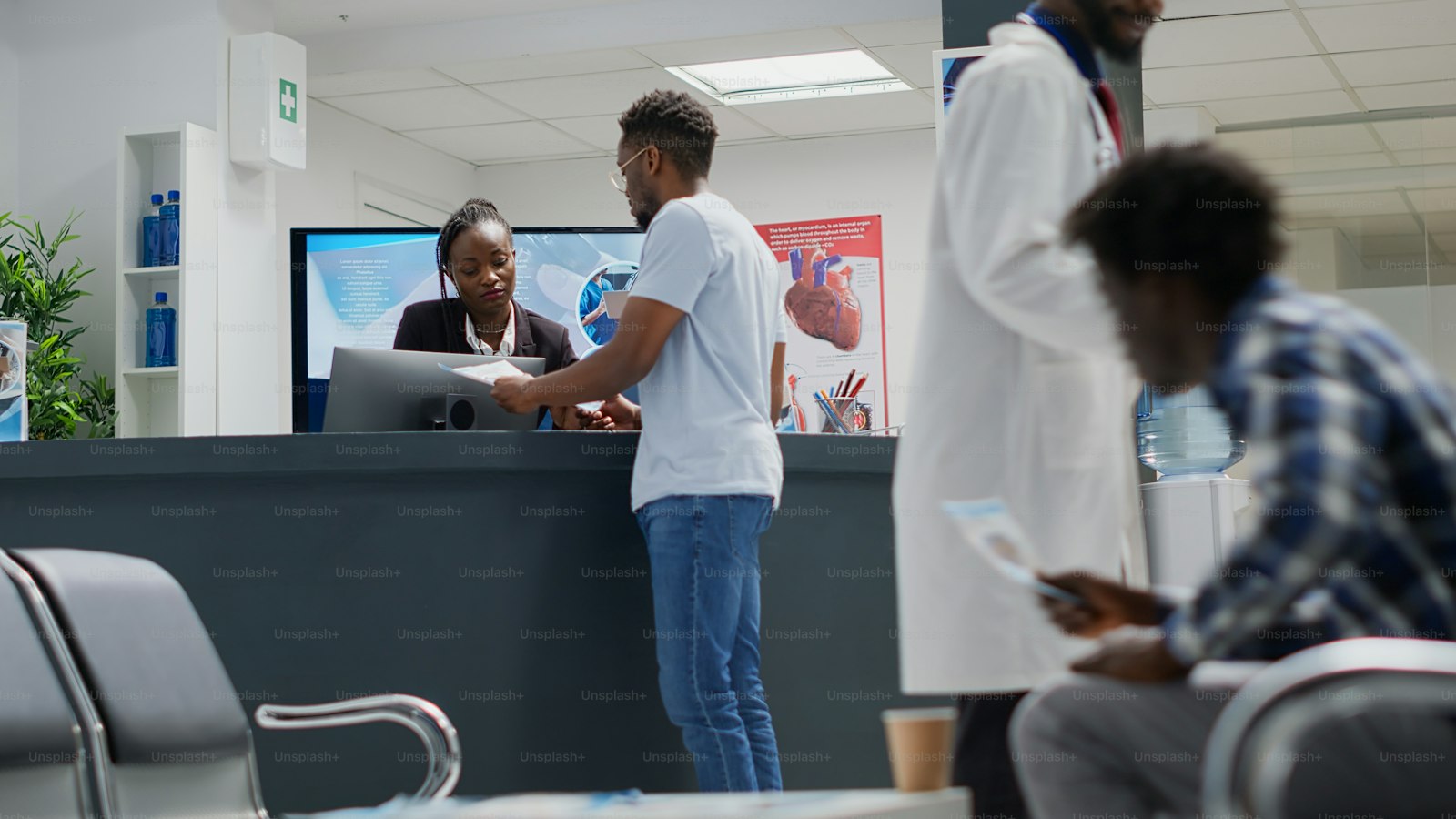
Sort the cover before you need it. Our quote engine prices international plans for China in USD and shows direct billing and evacuation cover up front, which is what decides whether you can be moved to Hong Kong or Singapore when it matters.
Get a quote in 60 seconds →Frequently Asked Questions
Related resources: Hospitals in Hong Kong · Hospitals in Singapore · Expat health insurance in China · International medical insurance for expats · Maternity and family cover · Emergency and inpatient cover · Evacuation and repatriation cover · Get a quote in 60 seconds.
Sources
This information is for general guidance and does not constitute medical or financial advice. Facility details are accurate as at the date of publication; confirm direct billing with your insurer before any admission.